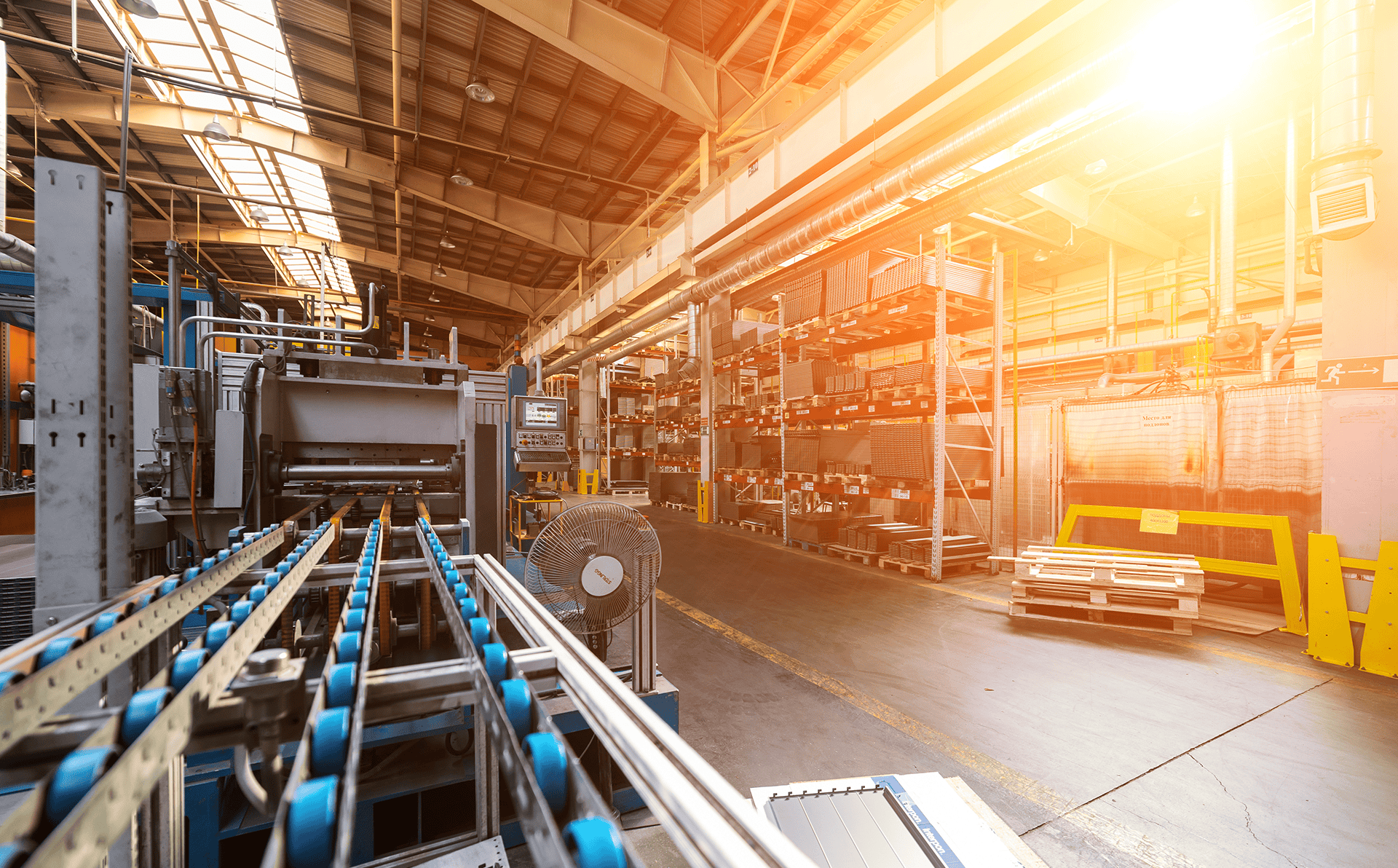
A machine has been moved to make room on the production floor, and the employee who runs it now has to reach farther to do the same job. Across town, a construction crew is preparing to move to another floor, where the access that worked yesterday may no longer fit. These are the kinds of changes that the people closest to the work often notice first, and their experience can help shape a safer approach while there is still time to plan.
OSHA’s Top 10 most frequently cited standards for fiscal year 2026 offers a starting point for those conversations. Drawn from federal inspections between October 1, 2025, and August 31, 2026, the list covers familiar parts of the workday, from using a ladder to servicing equipment. For employers, putting it to work begins with understanding how those tasks unfold on their own sites, and what employees need to do them safely.
“OSHA’s Top 10 reminds us that many of the hazards we see year after year are still part of everyday work. What matters most is what we do with that information,” said Ashley Parker, Risk Management Manager at Amerisure.
“By listening to employees, understanding how the work gets done, and finding practical solutions together, we can make a real difference in keeping people safe.”
OSHA’s Top 10
- Fall Protection: General Requirements | 1926.501
- Hazard Communication | 1910.1200
- Control of Hazardous Energy: Lockout/Tagout | 1910.147
- Scaffolding | 1926.451
- Ladders | 1926.1053
- Respiratory Protection | 1910.134
- Powered Industrial Trucks | 1910.178
- Fall Protection: Training Requirements | 1926.503
- Eye and Face Protection | 1926.102
- Machine Guarding | 1910.212
Four spots on the list relate to work at height, and the precautions that help people return safely to the ground. Across U.S. workplaces, falls, slips and trips caused 844 fatalities in 2024, including almost 700 falls to a lower level.
On your next walkthrough, consider asking employees to describe how they reach a work area or prepare equipment for servicing, including any difficulties they encounter along the way. A contractor may start with access to an elevated platform, while a manufacturer begins with a machine that requires frequent maintenance. The most useful starting point is the work happening at that location, with particular attention paid to hazards both on and beyond the Top 10.
Making Safe Work Easy
A written procedure is most useful when it reflects the equipment employees use and the conditions they encounter. Reviewing hazards as operations change helps employers keep those protections up-to-date, whether they are introducing a new product or piece of equipment, or changing the layout of a production area. Here’s how that can look in everyday work:
- Check Access Before the Crew Moves
The ladder available nearby may not be suitable for the next assignment, and a scaffold that served one stage of a project may need a different configuration for another. Choosing access equipment for the task helps crews reach their work without having to improvise.
Be sure that scaffold planning accounts for the intended load, supporting both the foundation and nearby electrical hazards. Suitable access and fall protection belong in step with that planning, ensuring responsibility for inspections and necessary corrections clearly assigned.
- Match the Procedure to the Machine
A jammed conveyor can put pressure on a team to restore production, but stopping the machine does not necessarily remove the energy that could cause it to move during servicing. Lockout/tagout procedures need to address the equipment’s hazardous energy sources, with authorized employees trained to control them. After a modification, review the procedure with the people who will use it so the written steps continue to match the equipment.
- Treat a Product Change as a Safety Change
A replacement cleaner may look like a routine purchase until an employee discovers it requires different handling or protective equipment. Connecting purchasing decisions with safety responsibilities helps make sure that information reaches the people using the product.
Chemical labels and safety data sheets need to be readily accessible when employees need them, along with required training on newly introduced chemical hazards. Clear labeling on workplace containers also helps employees identify what they are handling throughout the shift.
- Give Safety Reports a Clear Next Step
An employee who reports a damaged ladder needs to know where to find suitable equipment and how the damaged one will be kept out of service. When reporting leads to a practical response, employees can see how speaking up helps protect the team.
Responding to safety reports includes assigning responsibility for a correction and keeping employees informed about progress. If the issue cannot be resolved immediately, explain what safety protections will be in place and whether the affected work must stop until it can proceed safely.
Once a correction is complete, be sure to check that it works as intended. A repaired guard or revised procedure should resolve the concern without creating another difficulty for the person doing the job.
Building Safety That Lasts
OSHA’s Top 10 offers a national perspective, but its value takes shape in workplaces where a recurring problem gets resolved and employees can feel the difference. Connecting the list with inspection findings and near-miss reports can help employers see where an individual concern may be part of a larger pattern, and where a change could help make everyday work safer.
Amerisure’s Risk Management team works alongside agency partners and policyholders through customized consultation, jobsite hazard analysis training, and observational safety programs. Connect with an expert to explore how stronger safeguards can become a lasting part of every workday.
The above rankings are preliminary and reflect federal OSHA inspections across industries through August 31, 2026. Citation frequency does not measure injury frequency or severity.